8 Must-Have Assistive Devices for Elderly Independence

CFG may earn a commission from any products purchased through our links.
Whether you’re helping your parent age in place or adjusting after a health scare, assistive devices for elderly independence can make everyday life safer, easier, and more comfortable. These eight essentials have been field-tested by my own family, and I can vouch for their ability to reduce stress for your parent, and you.
Who this is for
This list is built for the new
In this guide
Weekly pill organizer
We’re starting with the basics, but just because you already have an organizer doesn’t mean you have the right organizer. Whether you’re dealing with two meds or fifteen, an easy-to-use pill organizer for seniors will reduce stress, prevent missed doses, and provide peace of mind.
Look for easy-open designs with large, high-contrast labels and one-touch buttons. For parents with memory challenges, pair the pill box with a photo guide or a printed medication chart. For a deeper dive into building a consistent medication routine, see our 6 Steps to Effective Medication Management for Seniors.
|
Our 2-Compartment Pick

|
Our 3-Compartment Pick

|
Our On-the-Go Pick

|
|
We have 3 of these in our home for good reason: easy open and close, wear-resistant labels, and color-coded AM/PM compartments. Perfect for kitchen table meds that need food. |
Color-coded pill case with easy open/close design, clear wear-resistant labels, and helpful icons for quick reference. |
Detachable cases risk getting lost, but we found this useful for chemo appointments when taking an entire week's medications is overkill. |
We have 3 of these in our home for good reason: easy open and close, wear-resistant labels, and color-coded AM/PM compartments. Perfect for kitchen table meds that need food.
Color-coded pill case with easy open/close design, clear wear-resistant labels, and helpful icons for quick reference.
Detachable cases risk getting lost, but we found this useful for chemo appointments when taking an entire week's medications is overkill.
Place glow-in-the-dark stickers on the organizer so their medications are easy to spot at night.
Medication log for seniors
As prescriptions pile up, so does the potential for confusion. Start with a centralized medication log that keeps everything in one place: dosages, allergies, times, and notes.
Use a printable tracker or a simple Google Sheet. What matters is one up-to-date source of truth that’s easy to share with healthcare providers. For seniors with multiple prescriptions, this is one of the most important assistive devices for elderly safety.
|
Independent Publisher

|
For Box-Checkers

|
Memorize the brand and generic names for each medication. Doctors could refer to them by their brand name, but there’s a good chance your pharmacy doesn’t.
Dry-erase whiteboard for seniors
A daily routine can improve mood, reduce stress, and improve cognitive orientation, especially for seniors with dementia. A dry-erase whiteboard is a simple but effective assistive device for elderly parents who benefit from visual cues.
Choose a board that uses icons, colors, and written text. Multiple indicators help people zero in on the information they need.
CFG found having a weekly and monthly calendar near each other helped prevent doctor appointments from sneaking up on us. These are easily mounted on the fridge so you can't miss your next appointment.

Mount it in your parents’ typical line of sight, like next to the TV, on the fridge, or maybe the bathroom mirror.
Pre-packed emergency hospital bag for caregivers
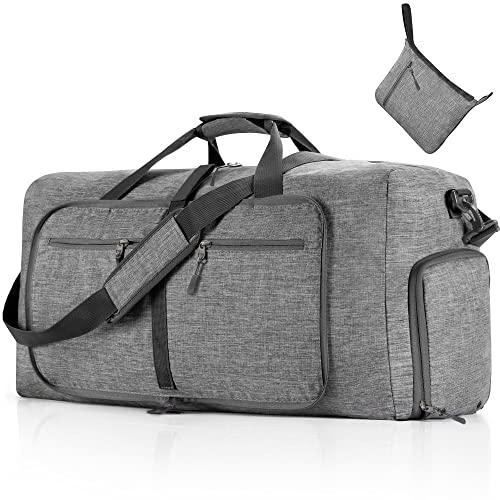
Packing under pressure almost guarantees you’ll forget something important. A well-prepared emergency hospital bag is an assistive device for elderly care that can turn panic into control and save precious minutes.
Stock it with ID and insurance cards, a copy of the medication log, and a few comfort items. Keep it light, you’re not going overseas.
|
Field-Tested
|
Lean & Mean Option

|
Place an empty, packable bag inside your hospital bag. You’ll likely collect clothes, medication, and paperwork throughout the stay that won’t fit in your main bag.
Read our hospital bag field guide for details on stocking the perfect go bag.

Grab bars for seniors
“Have you had any recent falls?” is one of the first questions nurses and physician’s assistant asked at the start of every ER trip and appointment. And for good reason; falls are the leading cause of injury among older adults and can trigger an ailment domino effect. The right fall prevention tools can make a huge difference. Grab bars for elderly parents are one of the simplest and most effective bathroom assistive devices you can install.
Place grab bars in high-risk areas like bathrooms, stairs, and kitchens. Choose models with textured grips that blend into your home. If you rent, tension-mounted bars can be a drill-free option. For more bathroom-specific recommendations, see our guide on the Best Bathroom Safety Equipment.


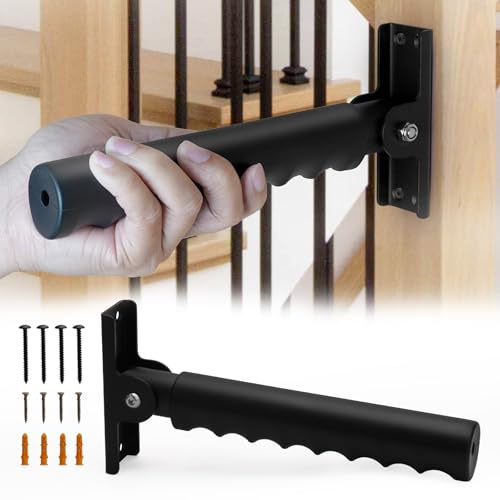

Observe where your loved one naturally reaches for assistance. It’s a cheat code for placing support right where they need it.
Daily living aids for seniors
Enabling independence doesn’t require big DIY projects or expensive house additions. Everyday tools like reachers, jar openers, and sock aids reduce friction in daily routines and are practical assistive devices for elderly independence.
Start with a reacher grabber, arthritis-friendly kitchen tools, and dressing aids like sock pullers. The best ones disappear into daily life, giving control back without making a big production.
|
Field-Tested

|
Multiple Sizes

|
Field-Tested

|
Fair warning, you’ll find yourself using a reacher even though you might not need one. You’ve reached full
Transfer sheets for seniors
If your loved one has trouble getting in and out of bed, chairs, or the car, a transfer sheet can be a game changer. Use these nylon sheets to reposition smoothly without strain. As close as you can get to easy, anyway. I can vouch for them; they’re some of the most valuable assistive devices for elderly mobility.

I bought extra transfer sheets for the couch, kitchen, and car. If your loved one uses a wheelchair or walker, keep one set aside for travel and doctor visits.
Closing thoughts
Not sure where to begin? Spend a couple days observing your parent’s routines. The moments they pause, struggle, or ask for help are clues to the tools that would improve their independence. For more ideas on tools to help you and your parent, explore our guides on Hospital Bags, Bathroom Safety, and Medication Management.
The